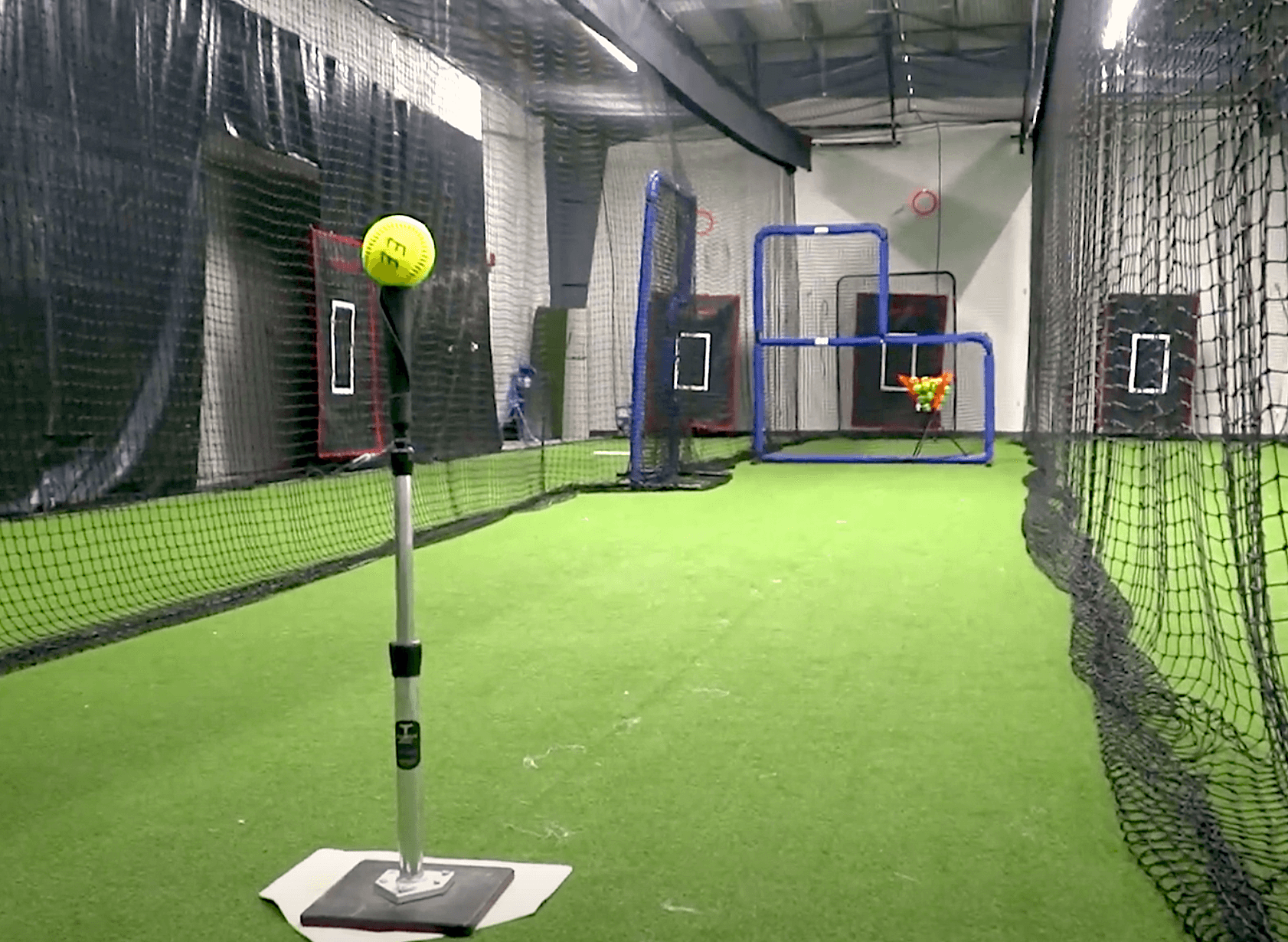
Sports Netting Mesh Size
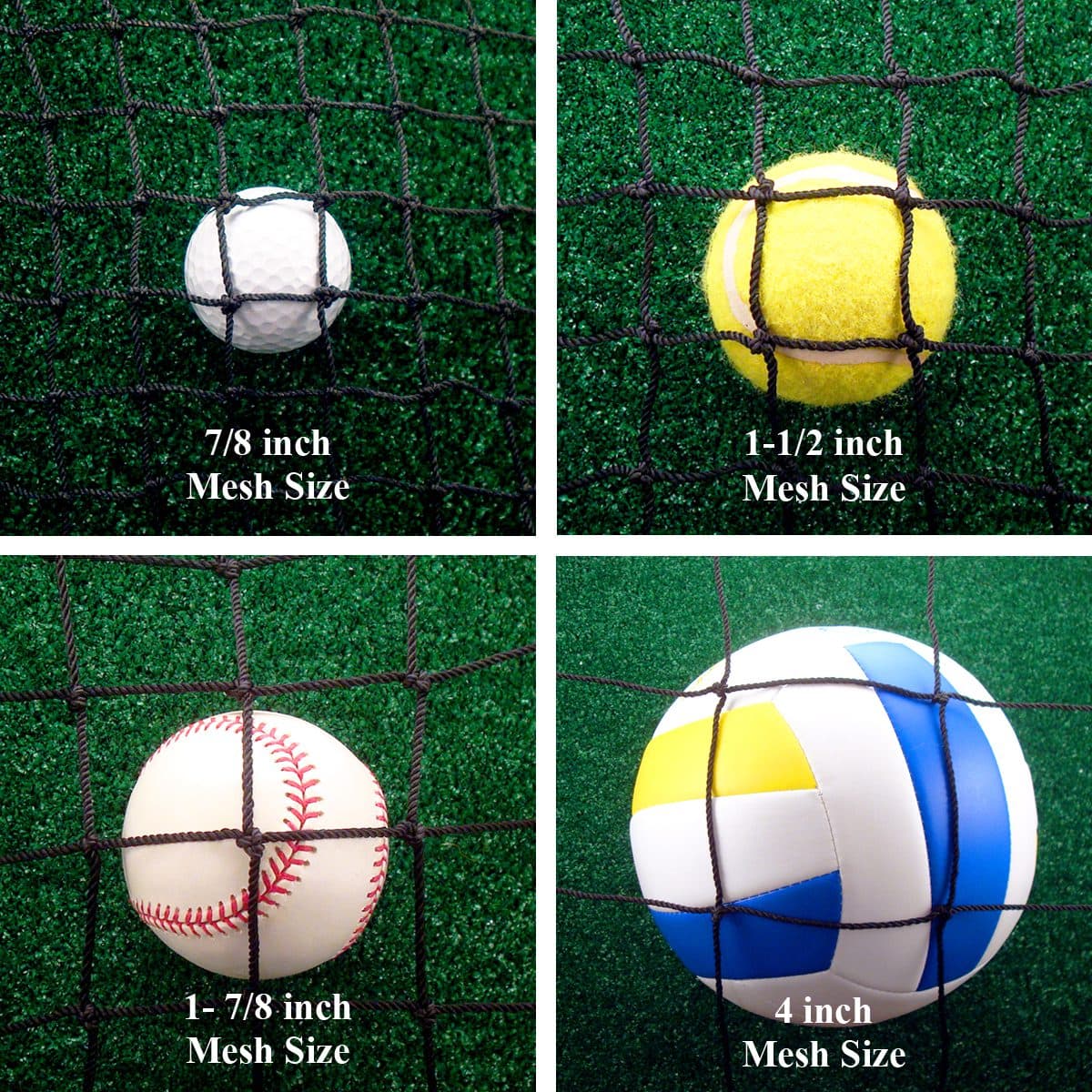
Sports netting comes in a variety of “mesh sizes,” which refers to the size of the openings on the net.
The smaller the opening, the more material required to build the net, so consequently the price increases.
If you’re on a tight budget, it’s important not to overbuy a smaller mesh than you actually need.
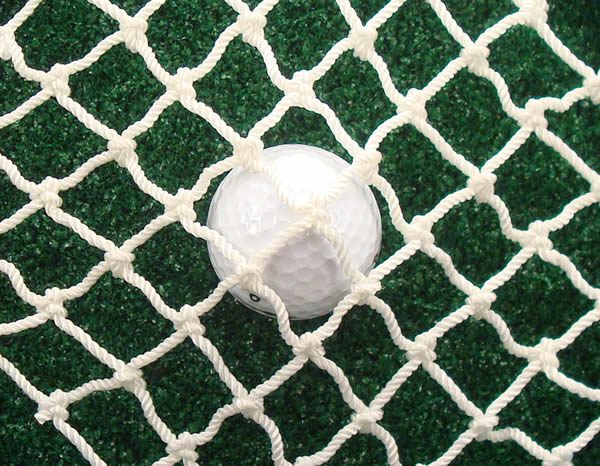
When ordering sports netting, take into consideration the smallest ball/object that needs to be contained within the netting. For example, if you may sometimes use a smaller ball than your primary purpose, such as a golf ball, order netting mesh to contain baseballs AND golf balls. This is key. Read more to find out why.
IMPORTANT
If this will be multi-sport netting, it’s critical to order the proper GAUGE for the highest impact sport. Gauge represents the twine diameter/thickness of the netting strands. In the example above, this is #36 gauge which is adequate for both baseball and golf. If using for both sports, avoid the traditional lightweight #18 golf netting, used on golf course driving ranges. The picture to the left shows an example of the wrong netting to order for BOTH baseball and golf. This should only be used for light indirect golf applications, such as driving ranges.
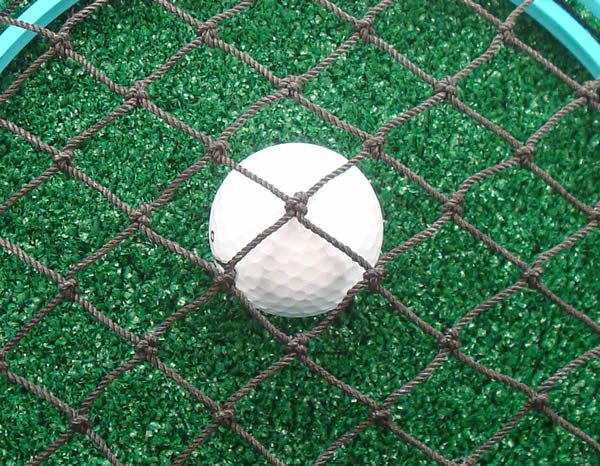
Simply enter your dimensions and receive an instant quote in netting designed for golf.
Ordering Smaller Mesh for your Needs
Although it may seem strange, there are circumstances when ordering a smaller sports netting mesh than you actually need is a good idea. Keep in mind that netting wears down because of stress on the fibers. When the impact of the ball is distributed across a wider surface area, the stress is spread out. This minimizes the damage to an isolated spot and extends the lifespan of those strands. Instead of 1-2 strands each receiving 100 pounds of impact force, now 4-5 strands will each receive 25 pounds of impact.
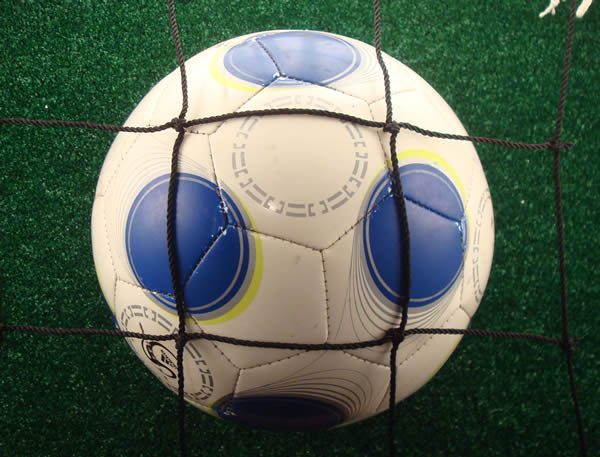
This is an important factor towards netting life-span. When netting wears out, individual strands begin to break. A smaller mesh size will extend the life-span of your net. In addition, when a strand does finally break, you will not be exposed. What does this mean?
Example One
Think about it like this. If you order netting material which is 2″, and the ball you are containing is 3″, as soon as a single strand breaks, there will be an opening large enough for that ball to escape.
If you are using 1″ mesh, it would take 2-3 strands breaking to allow a hole large enough for a ball to escape!
This gives you a safety margin in case you don’t notice the damage for a period of time. Now you have extra time to repair the netting before something is damaged or, even worse, someone is hurt. As much as we all hate the idea of more insurance, that is essentially what this is.
Exhibit A below shows a smaller mesh than required to contain the puck, but is safer all around with a longer lifespan than when compared to Exhibit B, which uses a netting mesh just small enough to contain the puck.
Example Two
Below are 2 additional examples of tennis netting. Exhibit A is a smaller mesh, which will prove to be more durable & longer lasting. Exhibit B is not a bad choice, but won’t have as long of a lifespan and would allow the ball to escape after a single strand breaks.
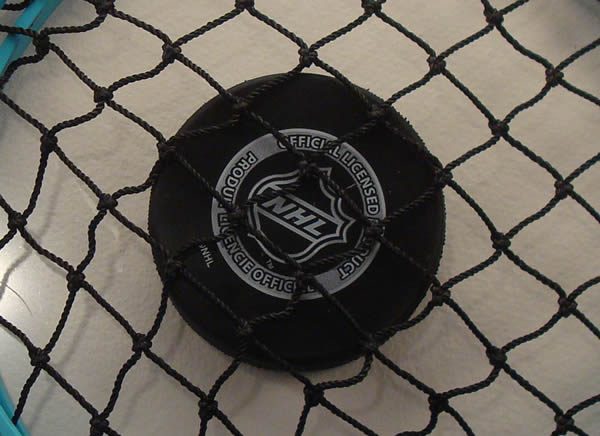
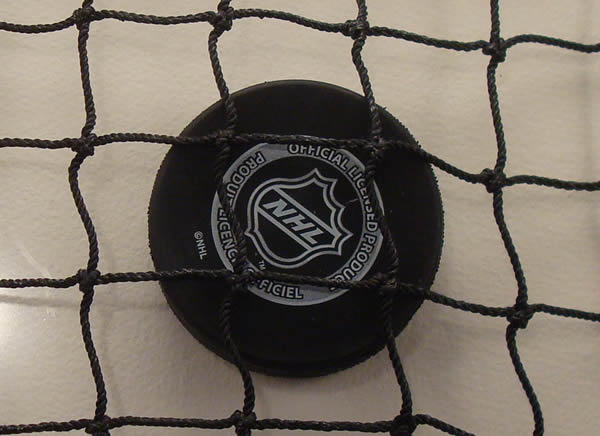
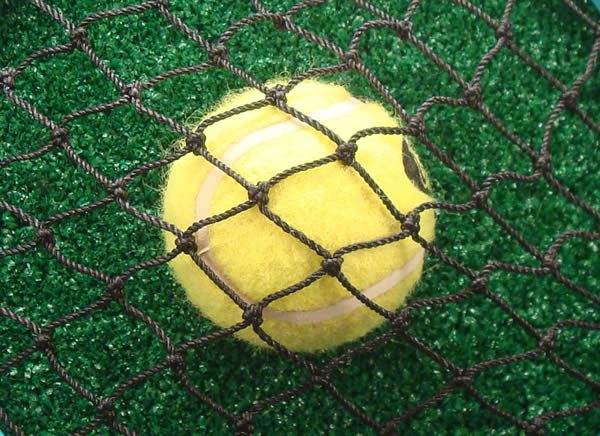
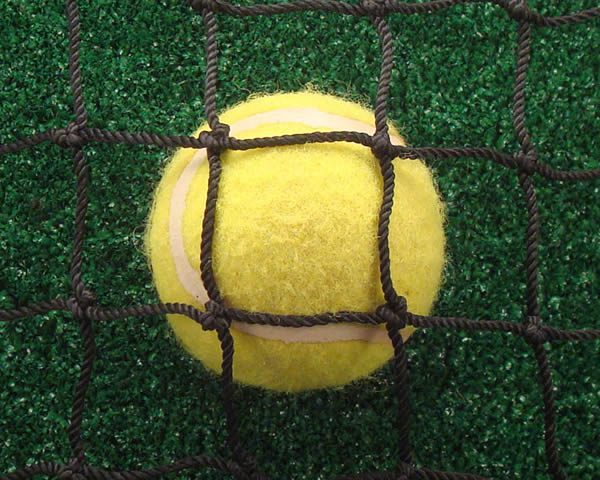
As you can see, it’s vital to select the proper mesh for your needs, budget, planned usage, and required life-span. If you’re on a tight budget and this is just a short-term hobby, then ordering a lighter weight mesh is just fine. If this is for commercial purposes and you depend on it for safety & income, it’s never a good idea to compromise on quality when it comes to safety & money. Most people prefer to do it right the first time and not have to hassle with replacing & repairing broken netting on a regular basis.
-
Interested in more netting tips? Check out some more great articles here.
-
If you need pricing for custom netting.
-
Or contact us with any other questions.
Thanks for reading our Netting Mesh Selection tutorial!
Share this article
Related Articles
How to Store a Retractable Batting Cage Net: Step-by-Step Guide
Pro Guide: Outdoor Batting Cage Installation Kit in 8 Steps