Detailed List of Supplies
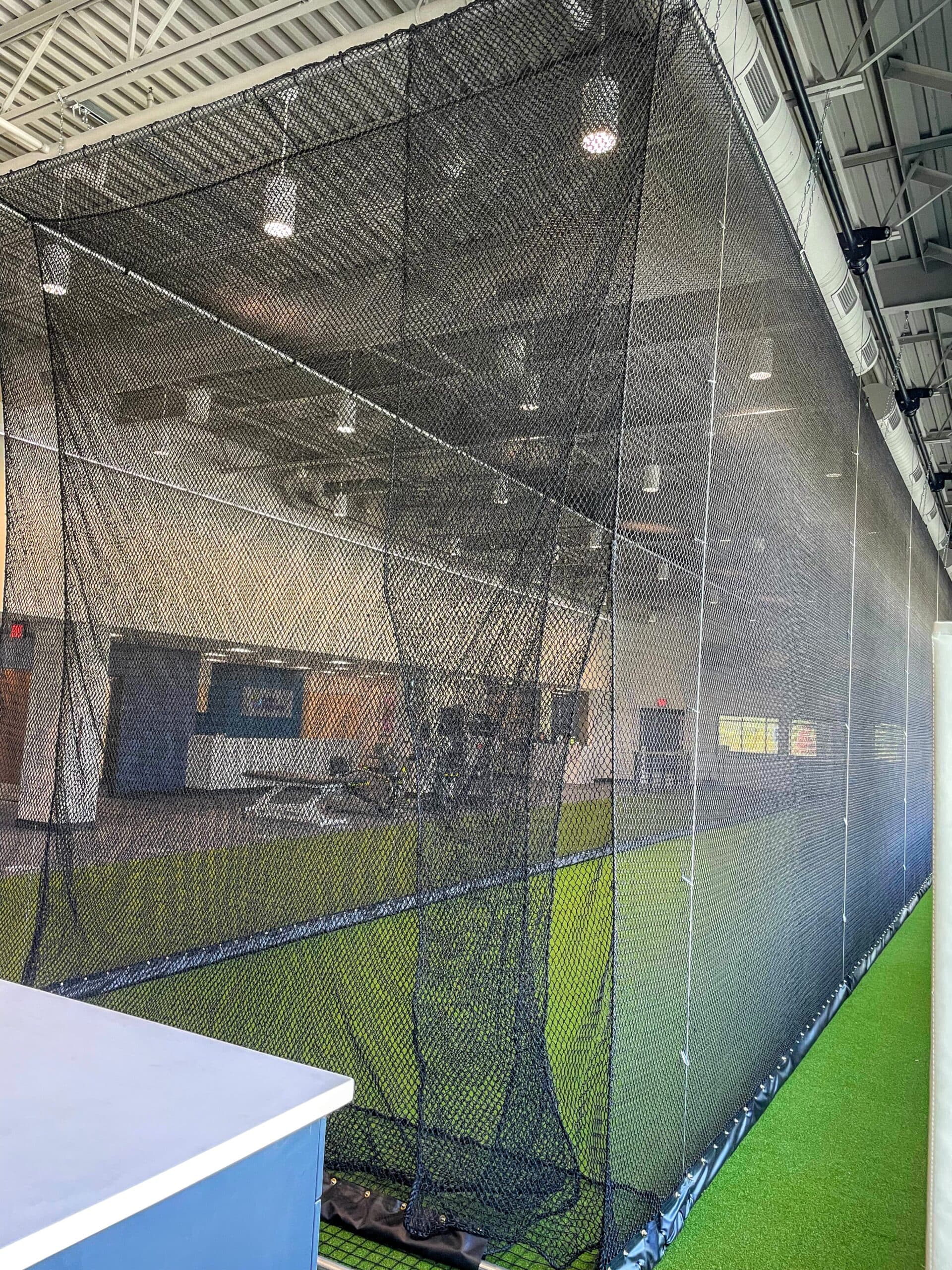
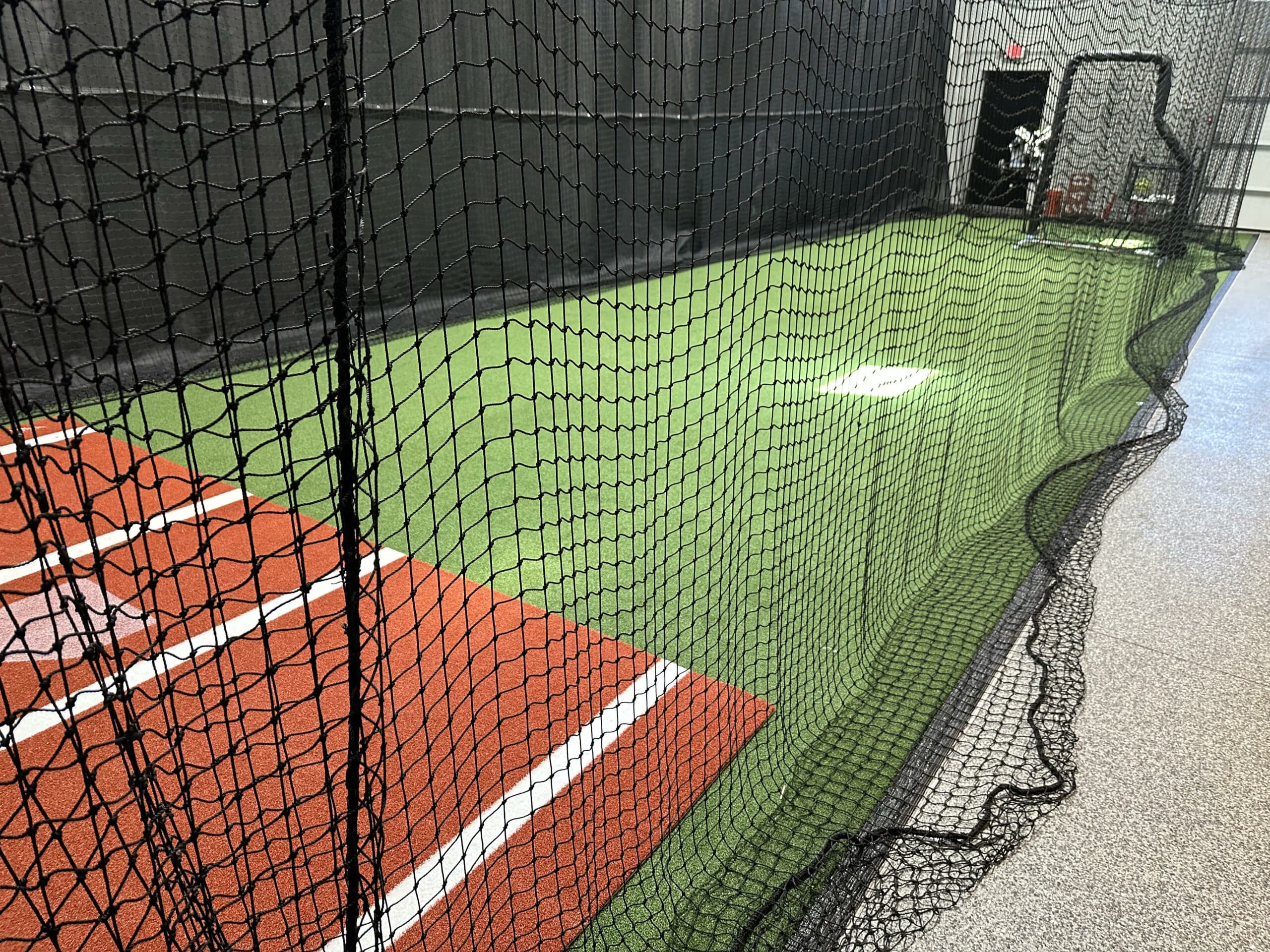
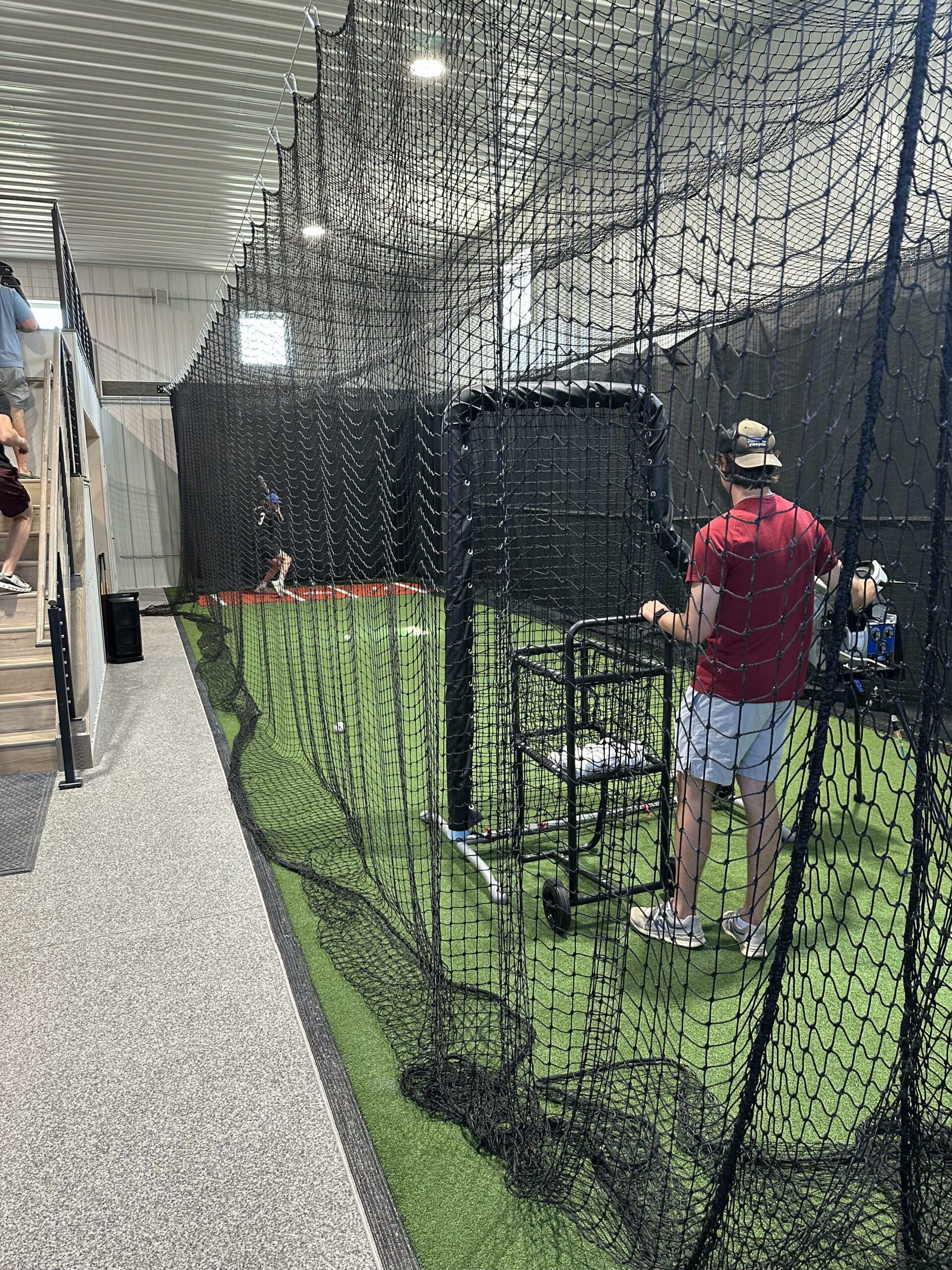
The following are the supplies that were purchased for the DIY retractable batting cage that's included in this article. Depending on your goals, space, and preferences, your part list may vary from the one included. If you need help figuring out what you need for your specific project, our knowledgeable reps are ready to help! In the meantime, here's one customer's supply list:- #42 Deluxe Nylon Batting Cage Net: 12'H x 14'W x 55'L
- Doorway in custom location -- Location D (on pitcher's end, see attached doorway diagram)
- NetShield - Black, No Logo
- (1) 50'L x 11'H Panel for long side running against the wall -- Will run on separate cable line
- (1) 14'W x 11'H Panel for end of cage, can attach directly to cage
- Both panels with grommets around the perimeter
- FlexPlate - 5" x 5" Steel Wall Anchor Plate
- Qty: 8
- Wood Lag Screw
- Qty: 32
- Turnbuckle: 6 inch L x 1/2 inch
- Qty: 4
- 1/4" Galvanized Steel Cable
- Qty: 248
- 1/4" Cable Clamp
- Qty: 16
- Steel Carabiner Snap - 5/16 inch
- Qty: 112
- Junior Hack Attack Pitching Machine
- 6 ft x 12 ft Full Plate Turf Stance Mat
- Better Baseball Bullet L-Screen Jr. - Black
- Baden Flat Kevlar Seamed Ballistic Leather Pitching Machine Baseballs
DIY Retractable Batting Cage FAQ
-
I'd like to set up a batting cage in my home, basement, garage, backyard, or sports facility. How do I get started?
The first step is to decide where you are putting your cage. Batting cages can fit in small spaces, such as a basement or a garage, which require a little extra netting protection to keep your walls, light fixtures, and any windows safe. Another important decision is who will be using the cage, which will help you decide what type of pitching machine will work. A more powerful machine may require a larger space, while other machines will fit just fine in small spaces.
Discover the different styles of indoor/outdoor batting cages.
-
There are many netting material types. What type of material do I need?
The two standard types of netting are poly and nylon. Poly is stiffer, with less give than nylon. It is also less durable than nylon. The. pros for poly are that it is weather-resistant and waterproof. As for nylon, it includes a resin bond, which provides some weather resistance; however, nylon requires NetSeal to be fully waterproof. Additionally, DuPont Nylon is the highest quality Nylon.
-
What size net do I need?
The #36 nylon is our most popular netting. It is available in 55 and 70-foot lengths. We can also custom build a net of any size. #42 Nylon is used for heavy high school and light collegiate use. And the #6o Nylon is ideal for collegiate team use and professional netting. There’s also a #96 Nylon available, but due to the cost, it’s not accessible for most residential applications.
Learn more about netting options.
-
I have a player of X age. What type of indoor batting cage should I get?
Baseball batting cages are typically a minimum of 70 ft long x 14 ft wide x 12 ft high.
Selecting the right size for your player’s usage is dictated by the distance between mound to plate, for the age levels using the cage.
Mound to plate distances can range from 38, 44, 48, 54 to 60 ft 6 inches for the pros.
Relevant Articles for DIY Retractable (or not) Batting Cages
Best Dimensions for a Baseball Batting Cage Garage Batting Cage - DIY for Small Spaces Basement Batting Cage - Install in Just 12 Feet Best Indoor Retractable Batting Cage | AirCage How to Install an Indoor Batting CageHopefully, you've learned a bit more about DIY retractable batting cages to help decide if that's an option for you or your facility. As this is a popular topic, we're always coming out with new articles and YouTube videos with tips, suggestions, and more. Be sure to , subscribe, and follow us to stay up-to-date on our baseball supplies and info!Share this article
Related Articles
Getting Started: Frames, Cables & Layouts for Your DIY Batting Cage
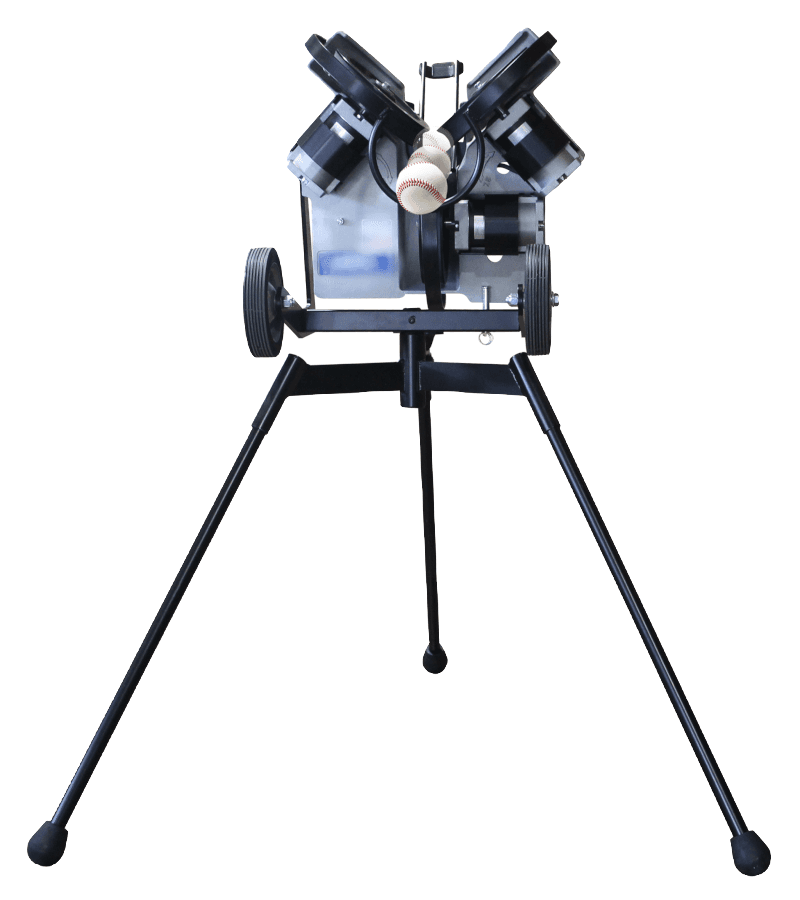
Junior Hack Attack Baseball Pitching Machine: Complete Setup